
Hydroponic Heating
30 € incl. VAT
- Designed for heating the nutrient solution
- An exceptionally energy-efficient way to heat a greenhouse
- Helps protect plants from adverse weather conditions
- Durable stainless steel construction
Description
Temperatures that are too low can negatively affect plant development and, in the worst case, cause plants to die. Good greenhouse insulation is a highly effective way to extend the growing season, but insulation alone is not always enough. The nutrient solution is an essential source of water and minerals for plants, but it also plays a key role in thermal energy storage.
Even on freezing winter days, a well-insulated greenhouse can become pleasantly warm when the sun is shining. However, air does not retain this heat for long, and temperatures drop rapidly after sunset. Water, on the other hand, has one of the highest capacities for absorbing and storing heat. How does a hydroponic system take advantage of this property?
During the day, the hydroponic channels act like solar collectors, absorbing energy from the sun. At night, the stored heat helps keep plants warm. In practice, the temperature of the nutrient solution is often around 6 °C higher than the outdoor temperature before sunrise.
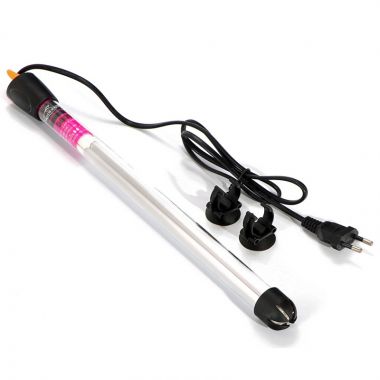
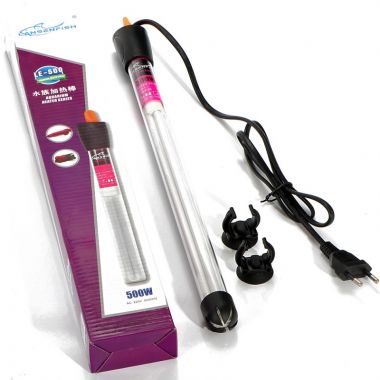
When solar energy alone is not sufficient, the hydroponic solution heater takes over. It connects directly to one of the control unit outputs and is automatically activated whenever temperatures fall to a critical level. The heat is then delivered directly to the plants through the hydroponic circulation system. Because heating the nutrient solution is significantly more efficient than heating the entire greenhouse volume, it is an exceptionally economical way to maintain suitable growing temperatures. With energy consumption of less than 1 kWh per day, the temperature difference compared to the outdoor environment can be increased by as much as 10 °C. This applies to a typical family hydroponic system.
- Power consumption (500 W)
- Heating capacity (50 l of nutrient solution by 10 °C per hour)